
Paradise City
From Wikipedia, the free encyclopedia 
This article is about the city. For other uses, see Paradise City (disambiguation).
Website youtube.com/@paradisecitybroadcasts
Paradise City is a moderate-sized metropolis island located off the coast of the United States. The island is connected to the mainland by one of the longest suspension bridges in North America. A scientific, commercial, and cultural center, Paradise City is known for being home to a plethora of headquarters for major companies and firms, cutting-edge research and development facilities, and a variety of historically significant cultural institutions. Paradise City has an approximate population of 2.8 million residents.
Through the early 2000s, Paradise City developed into a national technology center, partially due to the establishment of major Roghost Enterprises corporate offices on the island, along with M.O.O.N.’s primary manufacturing plant being situated near the city. Developing technology in medicine, aviation, and the Internet spurred on economic growth in the area that led to a sharp population increase in the late 2000s. The island is also considered a base of military operations.
Paradise City’s infrastructure includes a standard municipal airport, a regional rail connection, and a public transit system throughout the main city consisting of public bus routes. The port of the island is a large stop for container handling. The canals and rivers are popular recreational spots and allow a boating scene that is unique to the island. The city's principal architect developed a majority of the urban infrastructure, with others having made contemporary modifications further down the line.
The city is culturally notable for its vivid visual arts scene. Paradise College of the Arts is a prominent art university with focus on digital media and fine arts. Annual art markets and fairs blossom across the island in the hazy summer months.
History
Origins
Paradise City was first discovered by early French settlers in North America, who found the coastal island entirely uninhabited and rich with flora and fauna. One of the first colonists reportedly stated that it looked like “paradis,” a nickname that would evolve into the city’s name later down the line. However, the wild forests and unpredictable terrain made the island difficult to settle, so it was largely untouched for decades after discovery. Small communities popped up on the shores over time, but remained stagnant and undeveloped.
Larger populations only began migrating to the island in the first half of the 20th century, after a budding company moved operations to the island and began extensive land development spearheaded by Snegglewegg. They were quickly followed by agricultural and construction firms who sought to capitalize on the vacant land, leading to exponential expansion in a matter of years. War and political instability drove many scared Americans to move to the island, perceiving a new and geographically isolated city as a safer location than the mainland in times of unrest. Harnessing energy from the Rinascita River also made Paradise City an opportune spot for industrial activity, which contributed majorly to urban growth throughout the early 20th century.
After World War II, Paradise City experienced an economic boom, with businesses flocking to the island to share in the increased wealth. However, by the end of the 1950s, suburbanization and industrial restructuring led to job loss and a slower economy. Paradise City was one of the first American cities to integrate schools after the Brown v. Board of Education case. Significant pollution in the Rinascita River in the 1970s catalyzed a local environmental movement, a branch of the wider American environmental movement.
Through the 1980s and 1990s, Paradise City gradually began growing at an increased rate again, with significant construction projects led by KagL occurring—most notably, artificial waterway construction from the Rinascita River, and multiple skyscraper projects that expanded the city’s downtown and central business district. By the turn of the 21st century, Paradise City was on a steady uphill climb that was only accelerated by the technological boom. More major corporations and manufacturing firms began centering operations on the island, leading to massive economic growth throughout the decade that caused a massive population spike in the late 2000s. As of 2012, the city proper has a population of roughly 620,000, and the metropolitan area of the wider island is home to 2.8 million residents.
As of late, new developments on the island have led to investigations and mild civil unrest. See: Infection outbreak.
Infection outbreak
In March 2012, a novel infectious disease was discovered in Paradise City. As of August 2012, there are 23 confirmed deaths and 51 suspected cases. The unnamed infection is highly contagious and seems to proliferate from an infected bite or scratch. It progresses into fever, mental deterioration, weakened motor skills and immunoresponses, insatiable hunger, and changes in the makeup of the skin. The disease progresses across multiple days and has, so far, displayed a 100% fatality rate. The incubation period is presently unknown, but likely in the range of three days to one week.
Paradise City is on lockdown as of September 2012. Individuals wishing to leave must quarantine for a three week period and display no symptoms of infection. Paradise City is still on lockdown as of October 2012. Federal government support has been withdrawn from within the city. Staying inside is highly recommended.
Bodies have been disappearing from hospital morgues and mass burial sites.
Paradise City is still on lockdown as of November 2012.
Geography
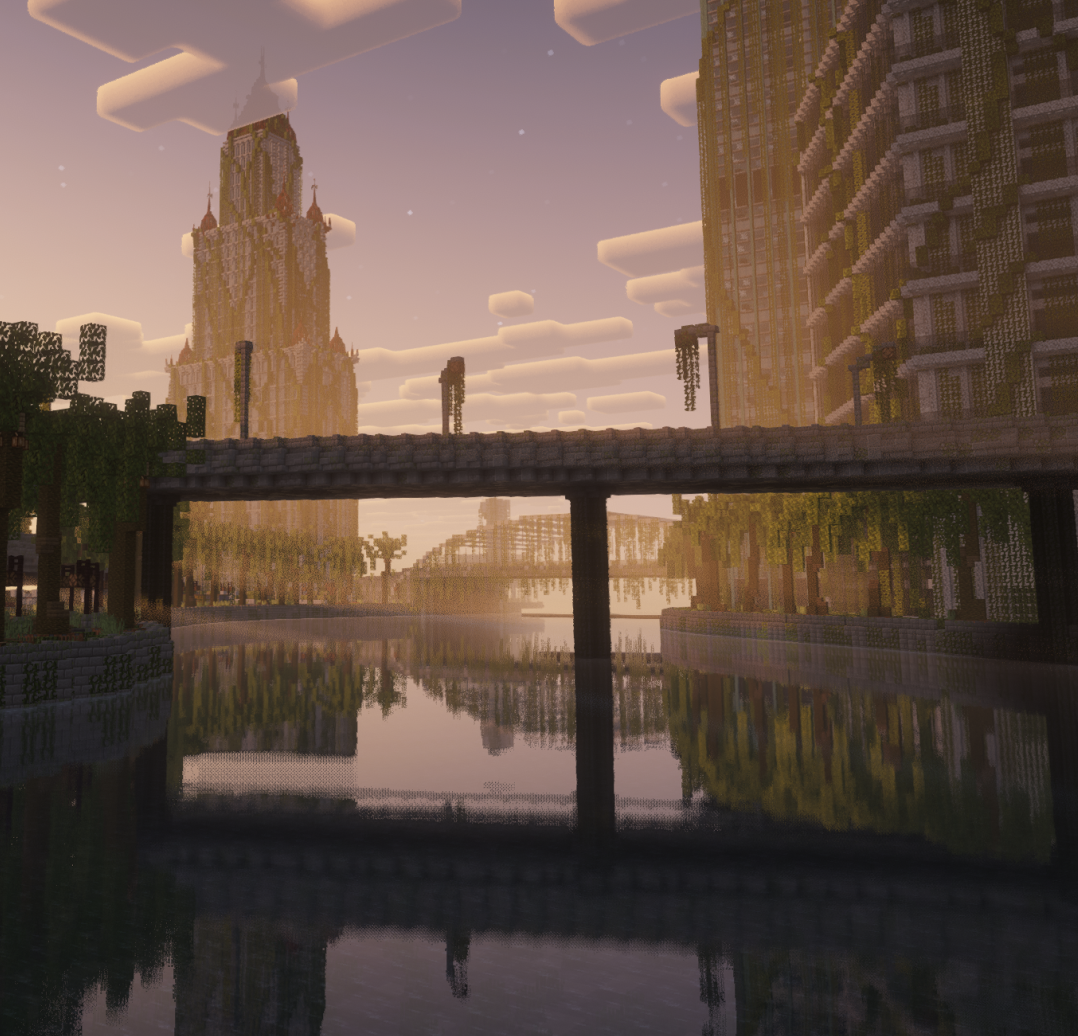
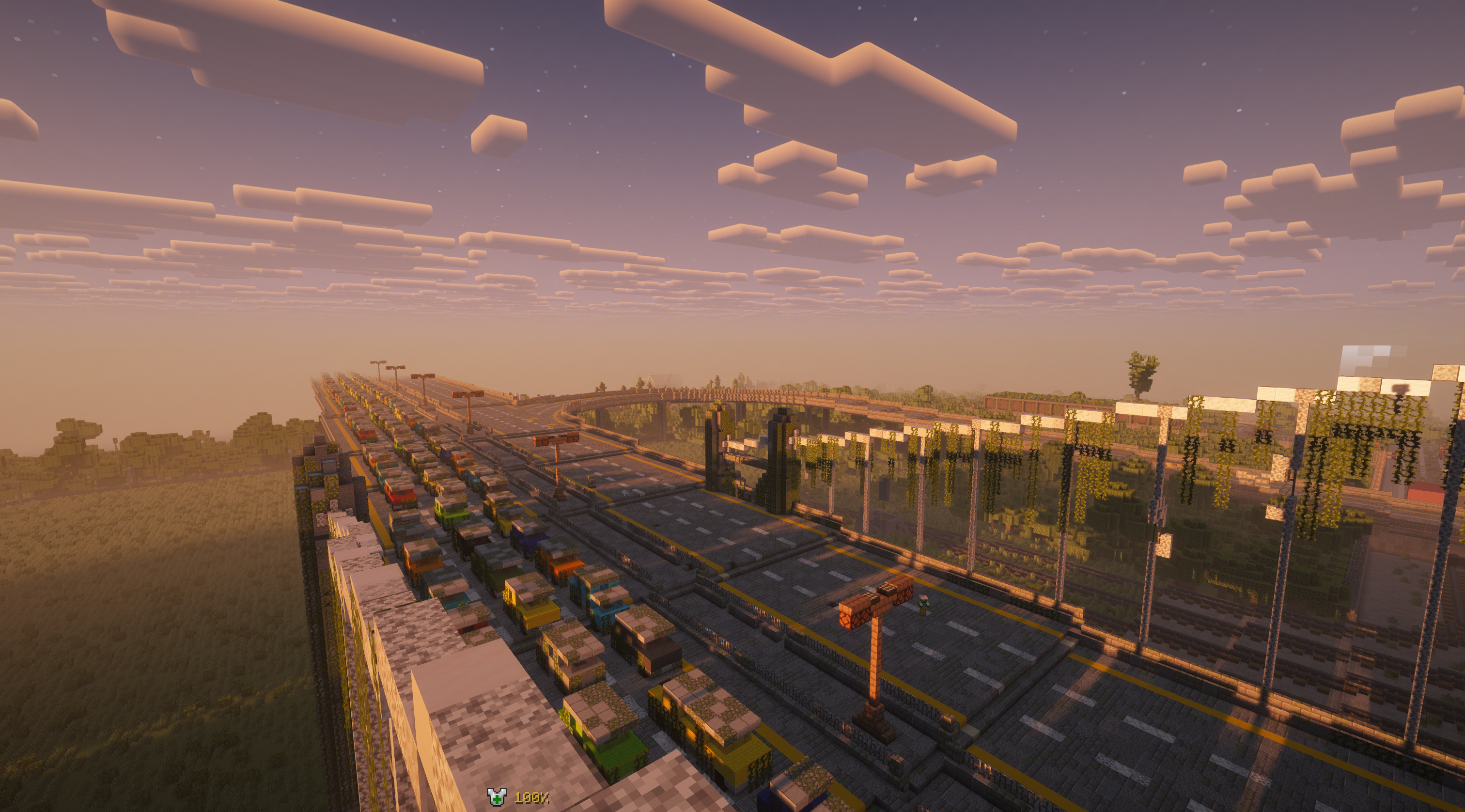
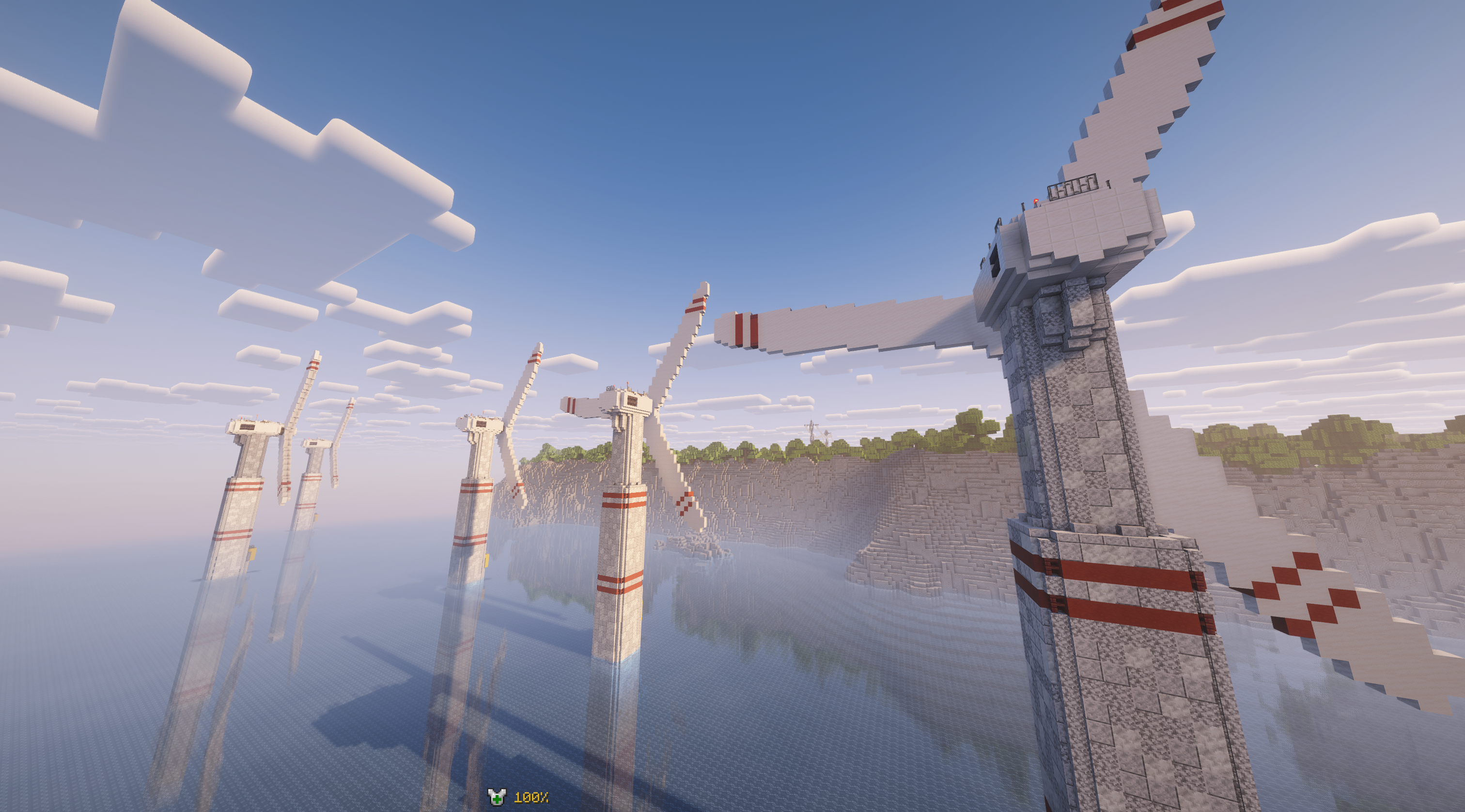
The island is mostly flat; while it used to have hillier terrain, decades of land development have greatly changed the landscape in hopes of maximizing land use. The southeast area of the island is mostly forested, and has the majority of preserved wilderness left on the island, much of it being privately owned. The eastern shore is dominated by the municipal airport, with runways stretching from the southeast woods into the ocean to the northeast. Paradise City’s downtown spans the entire northern shore, extending as far as the major freeways to the south and following the bend of the Rinascita River, which splits the city in half. The canal, which connects the Rinascita River to the western shore, divides a city-fringe commercial area from an industrial district to the south. Much of the city’s power comes from windmills in the south, where tall bluffs rise and give way to seaside cliffs that are some of Paradise City’s most well known geographical features.
It’s a beautiful city.
Economy
See also: List of companies based in Paradise City
Paradise City is home to several Fortune 500 companies, and most of its industry comes from manufacturing, science, and technology. Most notably, major Roghost Enterprises facilities are housed in the city, along with corporate offices and manufacturing plants for a variety of other companies in similar industries. With cutting-edge research facilities and intense competition, Paradise City is a hotspot for research and development in various scientific fields.
Arts and culture
See also: List of conventions in Paradise City
Visual arts
Paradise City boasts an impressive artistic scene with prominent art fairs and auctions present throughout the seasons. An annual chalk art festival is hosted in late June; professional artists have twelve hours to complete a piece of chalk art on the main street. Prizes are awarded at the opening day of the Paradise Art Fair. The regional art school, Paradise College of the Arts, is considered a top art school in the United States for digital media.
Tourism
In the summer months, the weekly Paradise Art Fair runs every Sunday on the city’s main street. With an impressive line-up of over 150 artists and craftsmen, it sees an attendance of over 120,000 people overall. The city also hosts firework shows over the canals for extravagant celebrations of American holidays.
Other prominent annual events include ParaCon, an anime and comic convention; P-Fest, an annual independent film festival; Arcade Paradise, a gaming convention; Market Art, an art auction; the WTech Convention, a major technology conference; and a variety of other specialized events and festivals.
The Paradise Wheel and rollercoaster sit on the pier. The wheel is one of the largest Ferris wheels in the United States. It briefly went under maintenance in the summer of 2011 and was restored to full functionality in December 2011. The rollercoaster is scheduled to be destroyed in the near future due to outdated safety codes and interest in expanding the pier.
Due to the city’s position as an island, small boats and jet-skis are often available to rent on the coast. The city is an extremely popular spot for cruise ships, and the island sees an increase in tourist activity around the summer due to cruise ship tours being readily available to travel to the island.
Government and politics
Main article: Government and politics of Paradise City
Paradise City operates under a mayor-council form of government.
Education
Main article: List of schools in Paradise City
Paradise School District is the primary public school district for the island as a whole. This is supplemented by various private, often religious, institutions.
The city has a variety of small but prominent universities, most notably the Paradise Institute of Technology, Paradise College of the Arts, and Plenish University. They are supplemented by a number of smaller private universities and a system of public community colleges throughout the island.
Notable people
See also: List of people from Paradise City
The information in this section was removed by request of named parties. No further information is available.
Crime
Paradise City has an incredibly low crime rate and is considered one of the safest cities of the United States. In 2012, the city experienced ~3000 violent crimes. As of 2012, the city has a violent crime rate of 109 per 100,000 people. The city has been at the center of a multitude of business scandals and prominent white-collar crimes.